
27.06.2026 · 5 min read
Author: The AURONN® expert team
Care after a chemical peel. A protocol that protects the result and shortens the downtime
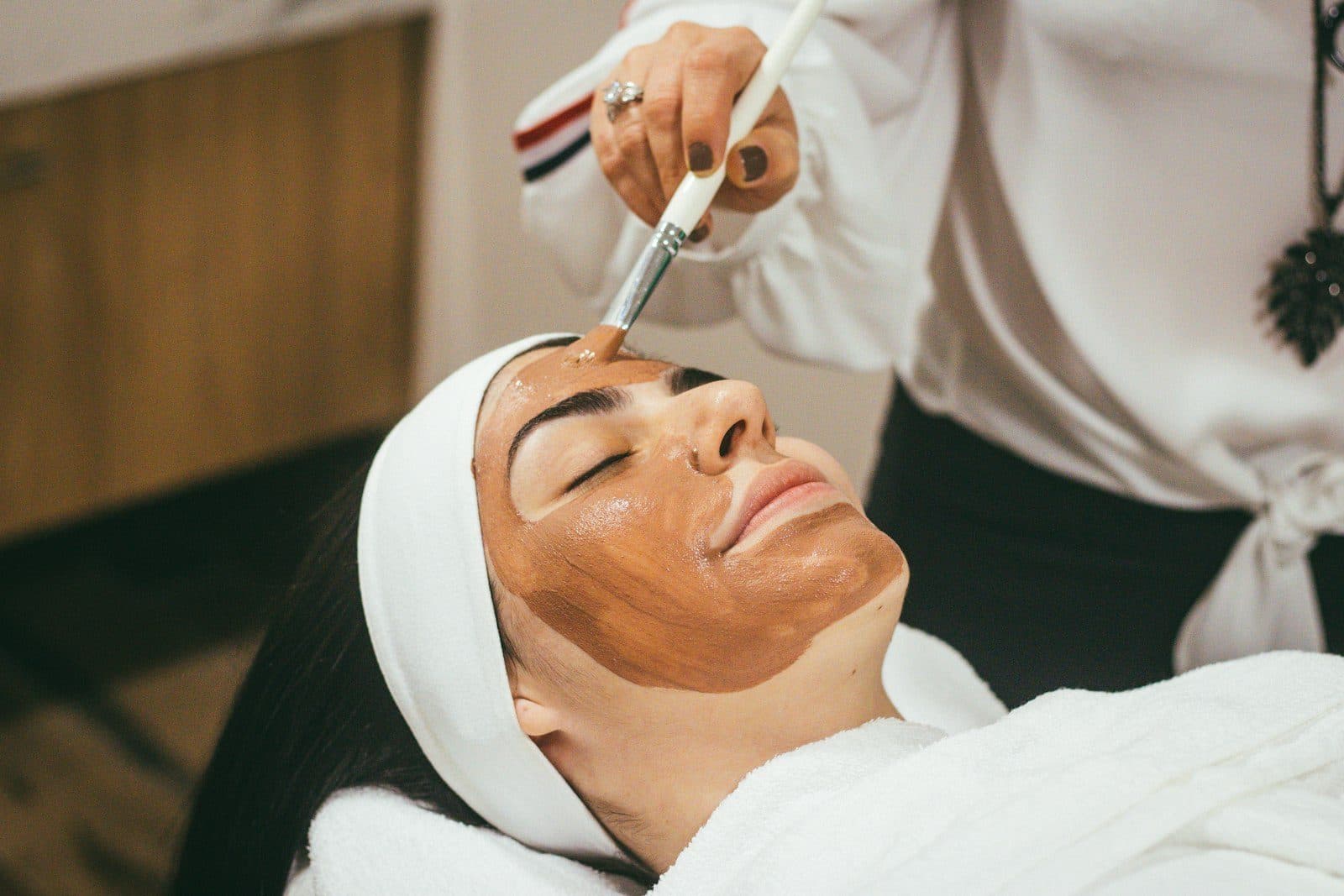
A chemical peel controllably damages the epidermis to force its renewal. The deeper the peel, the stronger the inflammatory response — and the more important peri-treatment care becomes. Mistakes made in the first week can undo the treatment's result or end in post-inflammatory hyperpigmentation.
The first 48 hours: calming instead of nourishing
Immediately after a peel the skin needs calm, not rich formulas. The task of the preparations is to lower reactivity, provide antioxidant support and limit transepidermal water loss (TEWL).
- an antioxidant mist applied touch-free several times a day
- gentle cleansing with lukewarm water, without sponges or brushes
- occlusion only spot-wise, if recommended by a specialist
- SPF 50+ from the first time you leave the house
The flaking phase: hands off the skin
Between days 2 and 7 the epidermis begins to shed. The key rule for the patient: do not help. Peeling off flakes is a straight path to wounds, discoloration and scars. Instead — regular hydration and antioxidant support, which lets the process run at its own pace.
Biological fullerenes prove useful here twice over: they neutralise the free radicals generated by the inflammation, and the light mist formula does not burden the flaking epidermis.
After the epidermis has shed: consolidating the result
The new epidermis is thin, absorbent and prone to photodamage. This is the best moment to introduce rebuilding care: an antioxidant serum, a barrier-strengthening cream and absolute photoprotection for at least 4 weeks. A patient who receives a concrete plan from the clinic — rather than the vague “please moisturise” — returns for the next treatments in the series.
The AURONN® protocol for chemical peels includes in-clinic application and a written-out home care routine. Clinics can test the line in the “Test for 1 PLN” programme.